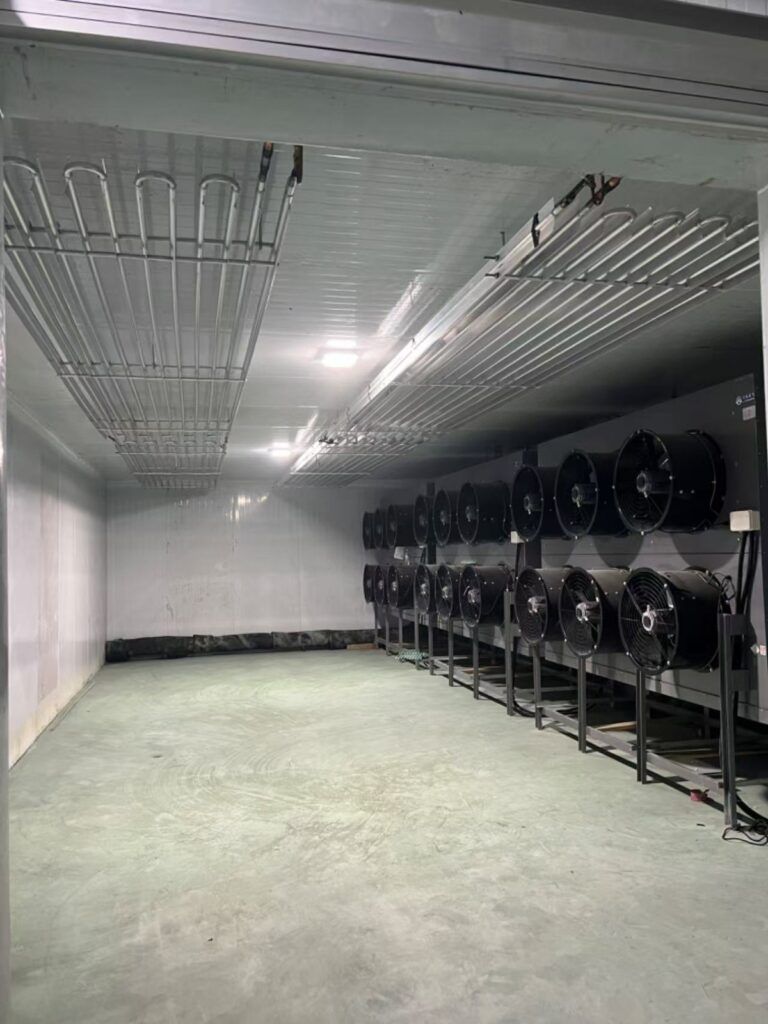
Why Blast Freezer Matters in Nigeria?
In Nigeria’s fast-growing food, agriculture, and healthcare industries, blast freezers have become essential. Whether you are a tomato farmer in Kaduna, a fish exporter in Lagos, or a pharmaceutical distributor safeguarding vaccines, the right blast freezer in Nigeria ensures freshness, quality, and profitability.
At DeKoolar Nigeria Limited, we understand these challenges. As one of the leading manufacturers of cold storage solutions in Nigeria and West Africa, our mission is to help businesses protect their products, reduce post-harvest losses, and meet global quality standards.
What Is a Blast Freezer and How Does It Work?
 A blast freezer is a specialized cold storage unit designed to rapidly freeze products at extremely low temperatures — usually between –30°C and –40°C. Unlike conventional freezers that may take hours or even days, a blast freezer locks in freshness within minutes.
Why is this important?
- A farmer can preserve up to 95% of a vegetable’s natural nutrients by freezing quickly.
- A bakery can prevent staleness, ensuring bread and pastries taste freshly baked.
- A poultry processor can maintain texture and taste by avoiding ice crystal damage.
The result is less waste, higher quality, and greater customer trust.
Types of Blast Freezers in Nigeria
-
Walk-In Blast Freezer
Large storage capacity with quick access.
- For Hotels, restaurants, food distributors.
- Example: A hotel in Abuja storing pre-prepared meals for events without fear of spoilage.
-
Tunnel Blast Freezer
Products move through a tunnel system and freeze as part of a continuous production line.
- Who needs it? Large-scale food processors, fish exporters, meat-packing plants.
- Example: A fishery in Port Harcourt preparing catfish for international markets.
-
Blast Chiller
Rapidly cools food from cooking temperature (around 90°C) to 3°C within 90 minutes to prevent bacterial growth.
- Perfect for restaurants, caterers, bakeries.
- Example: A Lagos catering company chilling meals safely before large events.
-
Cart/Tray Blast Freezer
Flexible freezing for trays and carts.
- Who needs it? Small businesses, hospitals.
- Example: A local bakery freezing dough in batches; a hospital preserving plasma.
-
Spiral Blast (Advanced Option)
A spiral conveyor freezes large volumes within a compact footprint.
- Ideal for Multinationals, and high-capacity processors.
- Example: A poultry processor freezing thousands of chicken portions per hour.
Benefits of Using a Blast Freezer in Nigeria
For Farmers
- Reduce post-harvest losses (which account for up to 40% of food waste in Nigeria).
- Sell fresher products at higher market value.
For Small Businesses
- Extend shelf life of products.
- Improve food safety and customer satisfaction.
For Large Enterprises
- Meet global export standards.
- Minimize operational losses and scale faster.
Why Choose DeKoolar Blast Freezers?
At DeKoolar Nigeria Limited, we don’t just sell freezers — we engineer reliable, energy-efficient cold storage solutions tailored to Nigerian and West African businesses.
- Unrivalled Local expertise: We understand regional needs and conditions.
- Custom designs: From small kitchens to multinational factories.
- Proven results: Trusted by food processors, hotels, hospitals, and exporters.
When you invest in a DeKoolar blast freezer, you are not just buying equipment — you’re investing in quality, trust, and the future of your business backed by unbeatable reliability and aftersales customer service..
Frequently Asked Questions (FAQ)
Q1: What is the price of a blast freezer in Nigeria?
Prices vary by size, type, and capacity. Small unit such as 5 * 5 * 5 ft 5HP, 150kg Blast Freezer’s price starts from N5, 500, 000 while industrial blast freezers cost more depending on specifications.
Q2: What industries use blast freezers in Nigeria?
Food processors, farmers, exporters, hotels, restaurants, bakeries, fisheries, and pharmaceutical companies all rely on blast freezers.
Q3: What is the difference between a blast freezer and a blast chiller?
A blast freezer freezes products at –30°C to –40°C for long-term storage. A blast chiller cools hot food down to safe storage temperatures (around 3°C) within 90 minutes.
Q4: How does a blast freezer help Nigerian farmers?
It prevents up to 40% food loss from spoilage, enabling farmers to sell fresher produce at better prices.
Q5: Can blast freezers support pharmaceutical storage?
Yes. They are widely used for vaccines, plasma, and other sensitive medical supplies requiring strict cold chain management.
Why Wait? Why Not Blast Freeze?
The demand for cold storage in Nigeria is rising rapidly. Blast freezers are no longer optional — they are a necessity for food security, healthcare safety, and business growth.
Contact DeKoolar Nigeria Limited today for the best blast freezer solutions in Nigeria and West Africa. From farmers to multinationals, we keep your products fresh, safe, and profitable.