
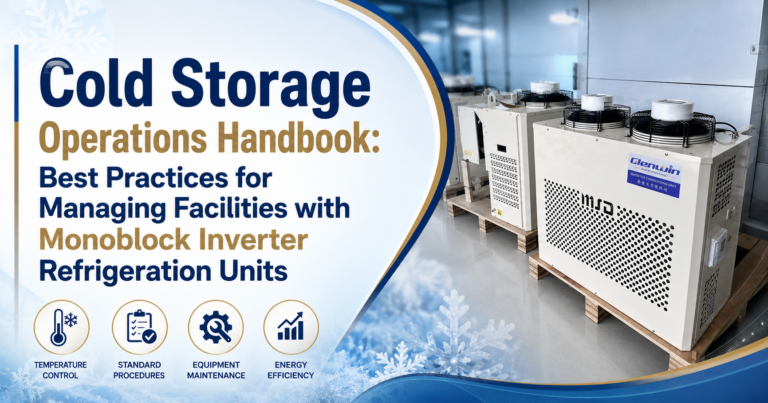
Cold storage facilities play a critical role in preserving the quality, safety, and shelf life of temperature-sensitive products. From fresh produce and dairy products to seafood, pharmaceuticals, and frozen foods, maintaining optimal storage conditions is essential to protecting inventory value and ensuring cold chain integrity.
At the heart of many modern cold storage facilities is the Monoblock Inverter Refrigeration Unit—a compact, energy-efficient solution designed to deliver reliable cooling performance while reducing operating costs. However, achieving maximum efficiency requires more than installing the right equipment. It demands disciplined operational practices, routine monitoring, and proactive maintenance.
This handbook highlights practical best practices that cold storage operators can implement to improve facility performance, reduce energy consumption, and extend equipment lifespan.
Understand the Storage Requirements of Your Products
Every product category has unique storage requirements. Fresh fruits and vegetables, dairy products, seafood, meat, pharmaceuticals, and frozen goods all require specific temperature and humidity conditions to maintain quality and safety.
Before storing products, operators should establish the correct storage parameters and ensure they are consistently maintained. Failure to do so can lead to product deterioration, financial losses, and disruptions to the cold chain.
Successful cold storage management begins with understanding what is being stored and creating an environment that supports its preservation throughout the storage period.
Utilize the Full Benefits of Monoblock Inverter Technology
Unlike conventional refrigeration systems that operate at fixed speeds, Monoblock Inverter Refrigeration Units continuously adjust compressor performance based on actual cooling demand.
This intelligent operation provides several operational advantages:
- Improved temperature stability
- Reduced energy consumption
- Lower compressor wear and tear
- Faster recovery after door openings
- Enhanced product protection
For facility operators, this means more consistent cooling performance and lower operating costs while maintaining the precise temperatures required for product preservation.
Conduct Daily Facility Inspections
Routine inspections are one of the simplest yet most effective ways to prevent operational disruptions.
At the beginning of each shift, operators should verify:
- Cold room temperature readings
- Alarm and monitoring system status
- Door seal integrity
- Air circulation within the cold room
- Power supply stability
- Equipment operating status
Small issues such as damaged door gaskets, blocked airflow pathways, or unusual temperature fluctuations can quickly escalate into costly problems if left unattended.
Maintaining accurate operational logs also provides valuable data for performance analysis and regulatory compliance.
Optimize Product Loading and Airflow Management
Proper product arrangement directly affects refrigeration efficiency.
One common mistake in cold storage facilities is overloading the room. Excessive loading restricts airflow and creates uneven temperature distribution, forcing the refrigeration system to work harder to maintain target temperatures.
Operators should:
- Leave adequate space between stored products.
- Avoid blocking evaporator airflow.
- Maintain clear pathways for air circulation.
- Follow recommended storage capacities.
- Use pallet configurations that promote uniform cooling.
Effective airflow management helps ensure that every part of the cold room remains within the desired temperature range.
Minimize Door Openings and Heat Infiltration
Every door opening introduces warm air into the cold room. This increases the refrigeration load and can cause temperature fluctuations that affect product quality.
To reduce heat infiltration:
- Schedule loading and unloading activities efficiently.
- Avoid unnecessary door openings.
- Ensure doors close properly after use.
- Regularly inspect and replace worn door seals.
- Consider installing strip curtains or air curtains in high-traffic facilities.
Reducing warm air infiltration improves energy efficiency and helps maintain stable storage conditions.
Monitor Energy Consumption Proactively
Energy costs represent a significant portion of cold storage operating expenses. Monitoring energy usage enables operators to identify inefficiencies before they impact profitability.
Monoblock Inverter Refrigeration Units are designed to optimize power consumption by matching cooling output to actual demand. However, operational practices still influence overall efficiency.
Facility managers should routinely review:
- Electricity consumption trends
- Equipment run times
- Temperature recovery rates
- Peak energy usage periods
Unexpected increases in energy consumption often indicate underlying operational or maintenance issues that require attention.
Implement a Preventive Maintenance Program
Preventive maintenance is essential for maintaining reliable refrigeration performance and avoiding unexpected breakdowns.
A comprehensive maintenance schedule should include:
Daily Tasks
- Checking temperature readings
- Inspecting alarms and controls
- Monitoring equipment performance
Weekly Tasks
- Cleaning drain lines
- Inspecting airflow pathways
- Verifying system operation
Monthly Tasks
- Cleaning condenser coils
- Inspecting electrical connections
- Evaluating refrigerant performance
- Testing monitoring systems
Routine maintenance helps improve energy efficiency, extend equipment lifespan, and reduce the likelihood of costly downtime.
Prepare for Power Interruptions and Emergencies
Power disruptions can compromise product quality and create significant financial losses if not properly managed.
Every cold storage facility should have an emergency response plan that includes:
- Backup power systems
- Generator maintenance schedules
- Voltage protection measures
- Product protection procedures
- Temperature excursion response protocols
When power is restored, operators should immediately verify storage conditions and inspect refrigeration equipment before resuming normal operations.
Train Staff and Enforce Standard Operating Procedures
Even the most advanced refrigeration system depends on proper human operation.
Staff should receive regular training on:
- Temperature monitoring procedures
- Loading and unloading practices
- Emergency response protocols
- Equipment handling procedures
- Food safety and cold chain requirements
Establishing clear Standard Operating Procedures (SOPs) helps create consistency, accountability, and operational excellence across the facility.
Efficient cold storage management is a combination of technology, discipline, and proactive operational practices. While Monoblock Inverter Refrigeration Units provide the foundation for energy-efficient and reliable cooling, long-term success depends on how effectively operators manage daily facility activities.
By focusing on temperature control, airflow management, preventive maintenance, energy monitoring, and staff training, cold storage operators can reduce operating costs, minimize product losses, and maintain the integrity of the cold chain.
For facilities seeking dependable performance and long-term operational efficiency, adopting best practices alongside modern Monoblock Inverter Refrigeration technology is a proven path to success.